Nutrition


What is Food Noise? Causes, Symptoms, and Treatment
Food noise involves persistent, unwanted, and tiring thoughts about food that can negatively affect quality of life. Unlike regular thoughts about food, food noise is often stressful and intrusive, revolving around hunger and cravings as well as rules, timing, and control. Food noise is a relatively new concept in research and puts into words something that many have recognized for a long time.


Low Metabolism: Weight and Diet
Many who struggle with their weight wonder if a low metabolism could be an explanation. In practice, there are usually several underlying causes for weight challenges, where metabolism is one of several factors. Metabolism plays a central role in how the body uses energy, but the connection between low metabolism, weight, and diet is often more complex than one might think.

Caesar salad – healthier, high-protein recipes
Caesar salad is a timeless favourite: crisp romaine lettuce, salty Parmesan and a creamy dressing with lemon and garlic. In this guide, you’ll see how to keep those classic flavours while making the salad more filling and higher in protein, using chicken, a lighter dressing and even a creative pizza-style option with a chicken base.

Antioxidant supplements – do you need them, or is food enough?
Antioxidants help protect your cells from damage caused by free radicals. They’re often marketed as a way to protect against stress and disease, but research shows they rarely deliver the promised benefits. In some cases, high doses can even increase the risk of certain conditions. In this article, we explain how antioxidants work and why getting them from food is better for your health than taking supplements.

Anti-inflammatory eating – everything you need to know
Anti-inflammatory eating has become a bit of a buzzword, often marketed with “superfoods” and promises of better health and wellbeing. At the same time, it’s a very broad term that’s used in lots of different ways. In this article, we explain what anti-inflammatory eating actually means and what kind of health effects you might realistically expect.
.jpg)

Meal replacements for weight loss: the pros and cons
Meal replacements are sometimes used as a tool for weight loss and weight management. There are lots of different products to choose from, designed to replace one or more meals in a nutritionally balanced way. For some people, they can be a practical support and make it easier to keep track of energy intake, but they are not right for everyone. In this article, we look at the pros and cons of using meal replacements for weight loss.
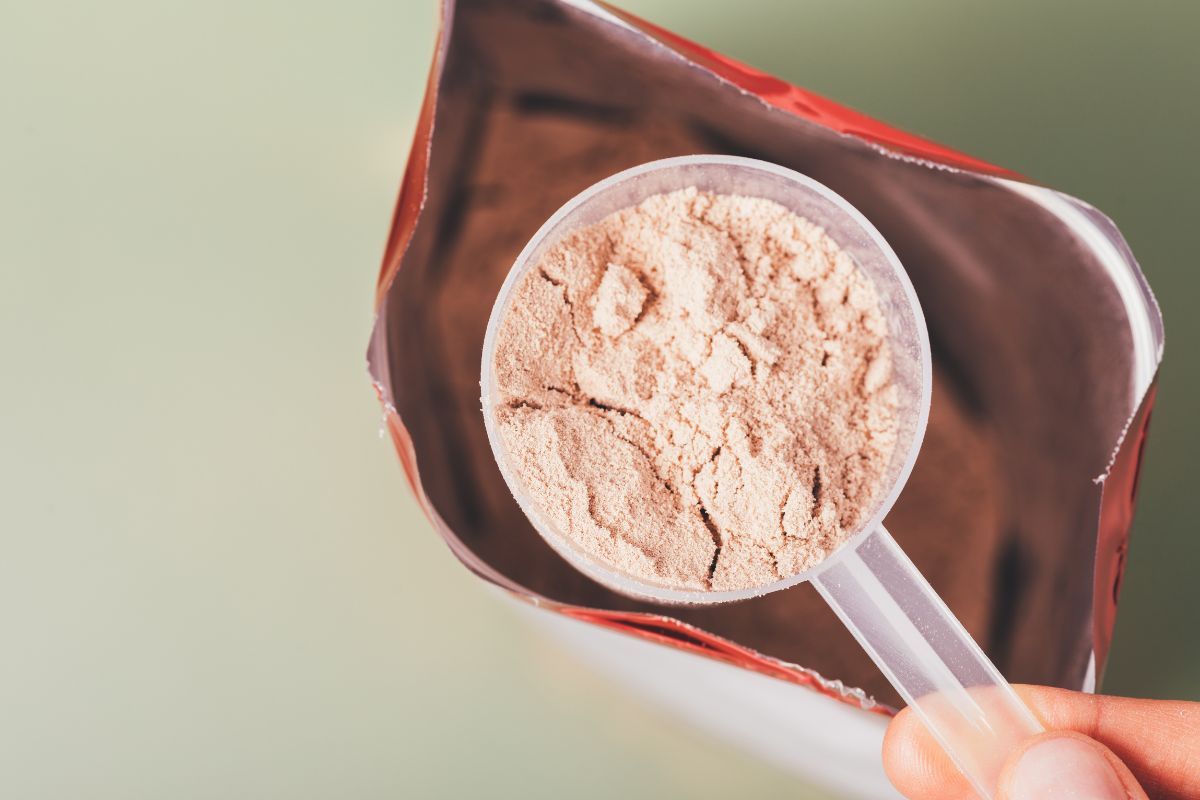
Protein powder and weight loss: when it helps, how to use it, and who it’s for
Protein powder can be a handy support when you’re losing weight, especially if it feels hard to get enough protein once you’re eating fewer calories. For some people, it’s a convenient option that makes meal planning a bit easier. That said, protein powder isn’t essential and it doesn’t replace a nutritious, varied diet. In this article, we look at when protein powder can be helpful and how it might support weight loss.
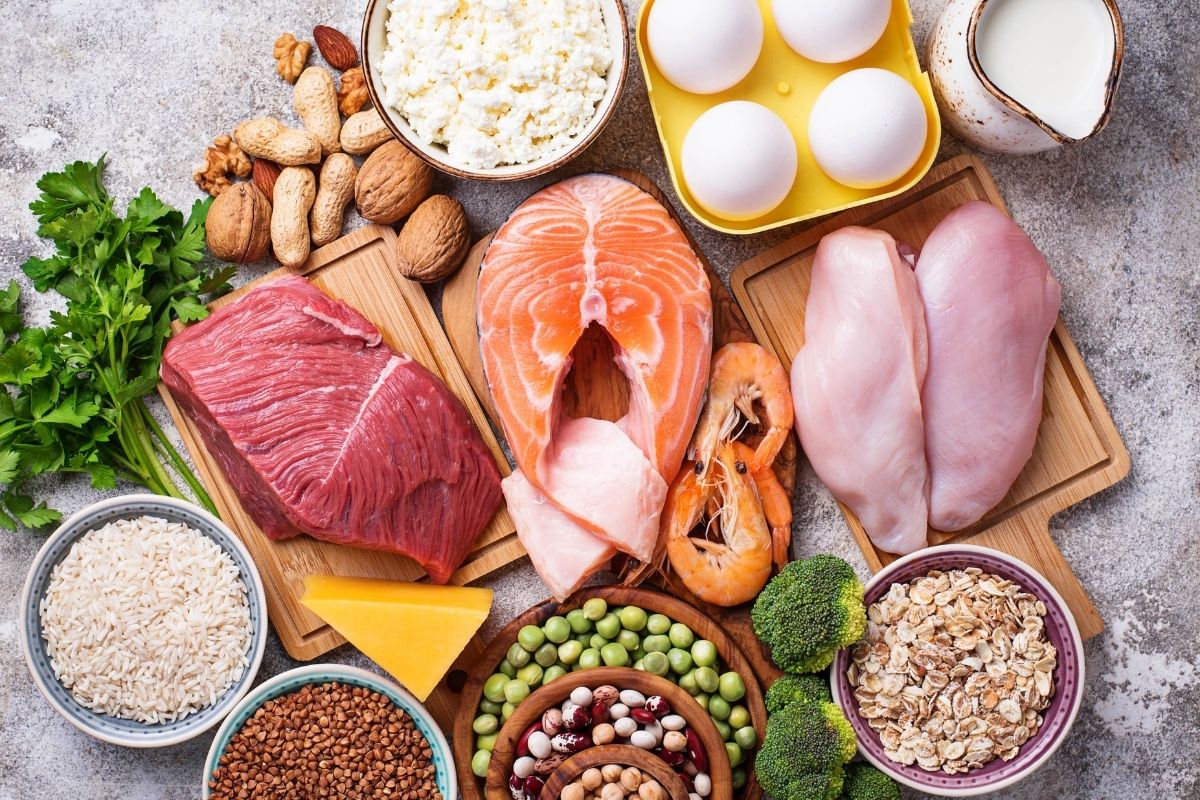
Protein and weight loss: effects, benefits and risks
Protein can be a helpful support if you’re aiming to lose weight in a sustainable way. It can help you feel fuller for longer and support your body in maintaining muscle mass when you’re eating fewer calories. But how much protein do you actually need when trying to lose weight, what are the benefits and possible risks, and how can you increase your protein intake in everyday life? In this article, we go through everything you need to know about protein and weight loss.
.png)
Smoothies for weight loss. Do they actually work?
The answer is both yes and no. It’s not smoothies themselves that lead to weight loss, no matter how “healthy” they seem. Losing weight always comes down to being in a calorie deficit.
That said, smoothies can still have a place in a balanced diet. They can be a handy option when you’re short on time or don’t feel very hungry, and they’re also an easy way to get more protein, veg, fruit and berries into your day.

L-glutamine and weight loss: science and myths
L-glutamine is an amino acid often sold as a supplement for training and recovery. More recently, it has also been mentioned in connection with weight loss. But is there actually evidence that L-glutamine can help you lose weight? In this article, we go through what the research shows and clarify common claims about L-glutamine.

Weight loss supplements: options, effects and risks
Weight loss supplements are often marketed as quick, easy fixes, with promises of reduced appetite, more energy and increased fat burning. In reality, the effect is usually modest. In some cases they can be a small addition to a healthy diet, but they do not replace what really affects weight and health in the long term: everyday habits, energy balance and behaviour.
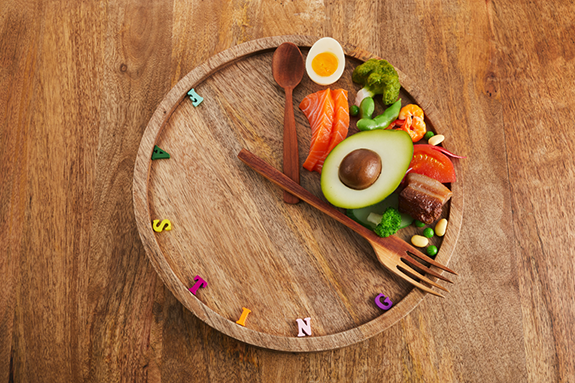
Downsides of fasting
Fasting is often used as a tool for weight loss and better health. There are several types of time-restricted eating, also called intermittent fasting. The most common are 5:2, 16:8, Eat Stop Eat, and alternate-day fasting. For some people, fasting can make mealtimes feel more structured and help reduce overall energy intake. But it is not right for everyone, and for some it can come with risks and limitations that are important to know about.
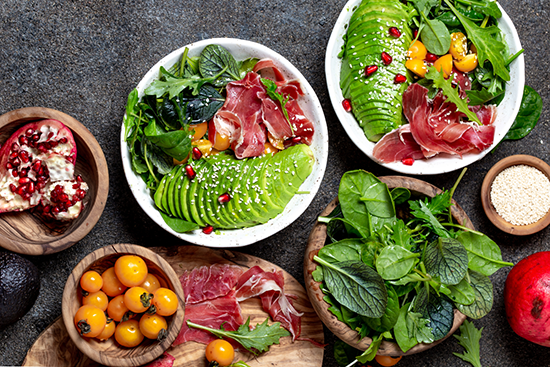
Is ketosis dangerous? When it can be risky and the downsides of the keto diet
The word “keto” comes from ketones – substances the body produces when it mainly uses fat for energy instead of glucose. When ketone levels rise in the blood, this is called ketosis. It’s a natural state the body can enter during things like fasting or when you eat very few carbohydrates. But when can ketosis be harmful, and what are the risks of a ketogenic diet? In this article, we look at what the research actually says.

What are ketones? Ketosis explained scientifically
In the liver, fat is converted into ketones – an alternative fuel for the body and brain when carbohydrate availability is low. This state is called ketosis, or “keto” in everyday terms, and is an important part of the body’s ability to adapt to periods of limited energy availability. In this article, we explain ketones and ketosis – what they are, how they are produced, and why they matter.
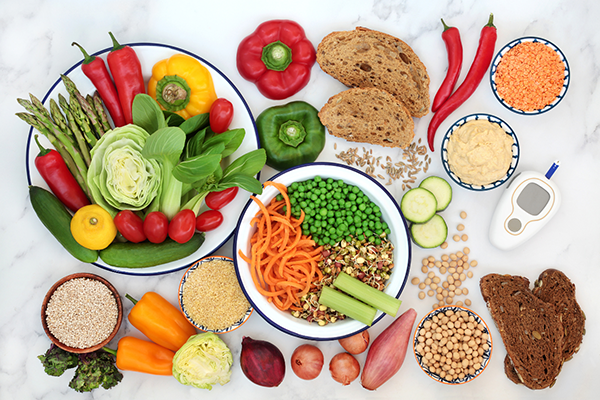
Low-GI foods: recipes and guide
The GI method was originally developed to help people with diabetes, but has since become a popular approach for healthier eating and more stable blood sugar levels. GI (glycaemic index) describes how quickly carbohydrates are broken down and absorbed into the bloodstream – the lower the GI, the more slowly blood sugar rises. In this guide, we explain what low-GI foods are and share practical tips for creating meals with a lower glycaemic index.
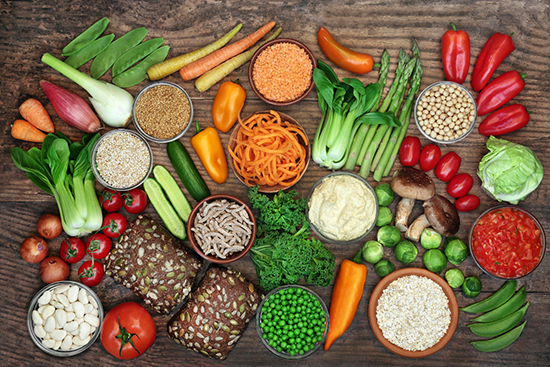
Low-GI foods: advantages and disadvantages
The concept of the glycaemic index (GI) was introduced by researcher David Jenkins and his colleagues more than 40 years ago as a way to describe how carbohydrates affect blood sugar. Foods with a low GI produce a slower, more even rise in blood sugar, while foods with a high GI raise blood sugar more quickly. In this article, we go through how GI works, what the research says, and the pros and cons.
Ketosis weight loss per week: guide and long-term goals
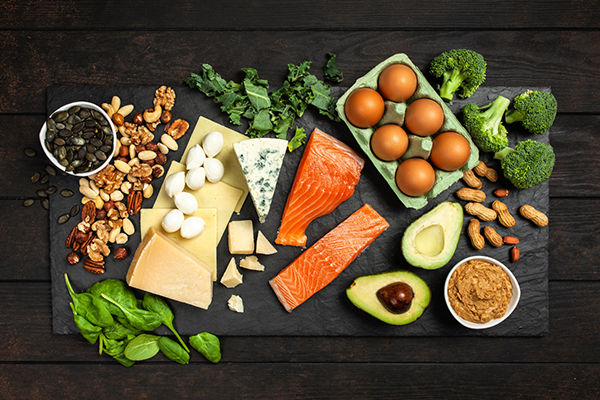
In the early 20th century, doctors discovered that ketosis – a state in which the body uses fat as its main source of energy – could reduce severe epileptic seizures. Today, the ketogenic diet is best known in the context of weight loss and health, with promises of rapid weight loss and improved metabolic health. But what actually holds true? In this guide, we explore the relationship between ketosis, weight loss, and health.

Fasting for weight loss: guide, risks and benefits
Fasting and intermittent fasting are popular ways to lose weight and improve health – for example through 16:8 schedules and the 5:2 approach. Many people experience better appetite control and a clearer daily structure, but the method is not suitable for everyone and may involve risks. In this guide, we go through what fasting is, its potential benefits and risks, and how it can be combined with Yazen’s comprehensive treatment for overweight and obesity.

Intermittent fasting for weight loss: how it works, benefits, and risks
Intermittent fasting is a popular way to reduce energy intake for weight loss. For some people, it can be a helpful support on a weight journey, but it’s not right for everyone and needs careful thought to be safe and sustainable. In this article, we look at how intermittent fasting works, potential benefits, and risks you should be aware of.

Lose weight with rehydration solution? Here’s why that’s a misconception
It’s easy to be tempted by simple solutions that promise quick results when you want to lose weight. Sometimes, tips circulate claiming that you can lose weight by drinking large amounts of rehydration solution. This idea is based on a misunderstanding of how the body’s fluid balance works.
Rehydration solution is designed to replace fluids and salts, for example during diarrhoea, vomiting, or heavy sweating – not for weight loss. It may temporarily affect your weight by restoring your fluid balance, but there is no scientific evidence that rehydration solution or similar products lead to long-term weight loss.