Health and lifestyle


Weight gain after GLP-1 treatment – how to maintain weight loss long-term
Weight gain after stopping GLP-1 medication is common and is partly due to appetite regulation, hunger, and energy balance gradually returning to previous levels when treatment ends. Obesity is a chronic and complex disease where biological mechanisms affect hunger, satiety, and body weight over time.

Why am I not losing weight with hypothyroidism?
Losing weight with hypothyroidism can be perceived as more difficult, even with healthy lifestyle habits. An underactive thyroid means lower levels of hormones that regulate metabolism, which can affect energy expenditure and stamina. However, the effect on body weight is usually moderate and varies between individuals. When hypothyroidism is treated and hormone levels normalize, the conditions for weight loss improve.

Lipedema or obesity – how can you tell the difference?
Understanding why the body does not always respond as expected to diet and physical activity is an important starting point for the right treatment. Lipedema and overweight can in some cases resemble each other, but are two different conditions with distinct underlying mechanisms. They can also occur simultaneously, which can further complicate the clinical picture.

How to calculate your BMI – and what the result actually means
Body Mass Index (BMI) is one of the most widely used screening tools in healthcare for estimating the relationship between body weight and height. The measurement provides a general, statistical starting point for assessing the risk of various health conditions. At the same time, it is important to emphasize that BMI has limitations and cannot alone provide a complete picture of an individual's health status on its own.

MariTide – new drug treatment for obesity under development
Interest in new drug treatments for obesity has increased markedly in recent years. MariTide is a treatment under clinical development that could potentially contribute to an increased understanding of the body's weight regulation and broaden treatment options for obesity.

I’ve tried everything – why am I not losing weight?
Not losing weight despite feeling like you are doing "everything right" is rarely due to a lack of discipline. The body's biology and hormonal systems play a central role in regulating body weight and can counteract weight loss.
To achieve sustainable results, it can therefore be valuable to understand how appetite regulation and individual circumstances affect weight, as well as which evidence-based treatment options are available.
_1_11zon.webp)
What should I weigh at my age? What science says
Wondering what you should weigh at your age? Many people look for weight charts to find an ideal weight, but a healthy weight cannot be determined solely by your age or height. Body composition, muscle mass and where fat is stored are often far more important than the number on the scale. Read what science says about age, BMI and how to find your unique healthy weight.

When can I reach my goal weight? How long weight loss takes
When can I reach my goal weight? It’s one of the most common questions during a weight loss journey. The answer depends on your starting weight, your biology, your height, your body composition and how your body responds to treatment. Losing weight is a process that takes time and is rarely linear. Here, we explain what affects the pace, why a goal weight is more of a direction than a fixed number, and how Yazen supports you along the way.

Wegovy Face: What It Is and Why It Happens
Are you worried about developing "Wegovy face" during your medical weight loss journey? This term describes the hollow or sagging facial appearance that can occur after rapid weight loss. It is a natural result of losing subcutaneous fat, not a direct side effect of the medication itself. Discover why your face changes during weight loss and how you can support skin health.

Can You Exercise While on Weight Loss Medication?
Combining physical activity with your medical treatment is one of the best ways to achieve sustainable health and effective weight management. While modern treatments are highly effective, exercising protects your muscle mass, supports bone health, and boosts long-term results. Discover how to safely exercise on weight loss medication, which workouts are most effective, and how the Yazen team can support your active lifestyle.
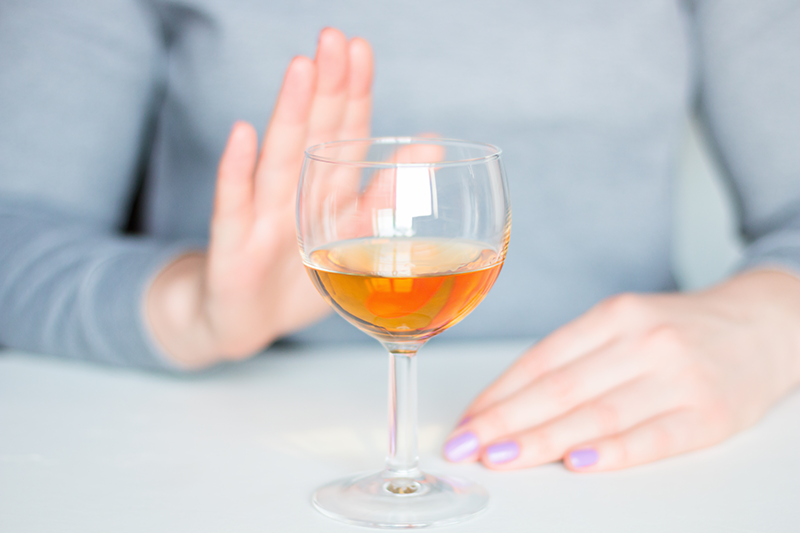
Can You Drink Alcohol on GLP-1 Medication?
Are you wondering if you can drink alcohol while taking GLP-1 medication? The short answer is yes, but you’ll need to be careful. Medicines like Wegovy and Mounjaro can change how your body processes both food and alcohol. This can increase side effects like nausea and affect your alcohol tolerance. Here are a few things to help you make safe, informed choices.
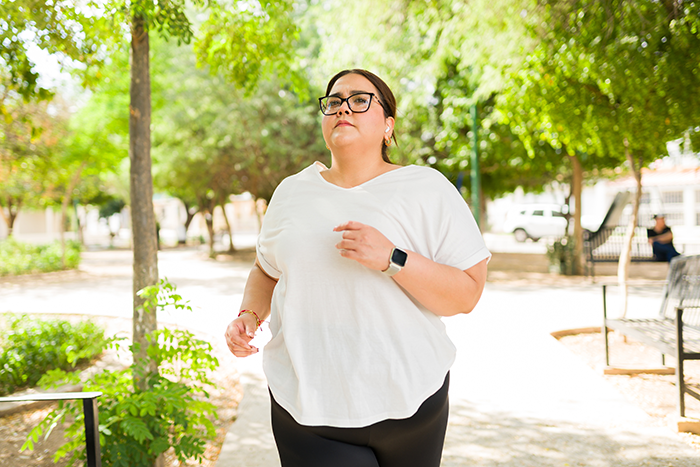
Overweight: how can we help you achieve sustainable weight loss?
Overweight and obesity are growing health challenges affecting many people globally. Losing weight and finding a sustainable balance can be difficult, but support is available. Weight impacts both physical and mental health. In this article, you will learn why overweight occurs, which lifestyle changes can help, and how to measure your progress toward a healthier weight.

Switch Weight Loss Clinic Online: How to Change Providers Safely
Are you considering changing your obesity treatment provider? You can safely switch weight loss clinic online without interrupting your progress. Whether you are seeking better medical support, a holistic approach, or help managing side effects, transferring to a comprehensive digital clinic like Yazen is simple. This guide outlines how to transition safely and ensure continuity of care.

Tired and gaining weight? Common causes and what you can do
Do you recognize the feeling of being tired all the time while also gaining weight, without understanding why? You’re not alone. Many people experience that their body feels heavier and everyday life more demanding when energy levels are low. It can be both frustrating and worrying, but there are often explanations for why this happens.
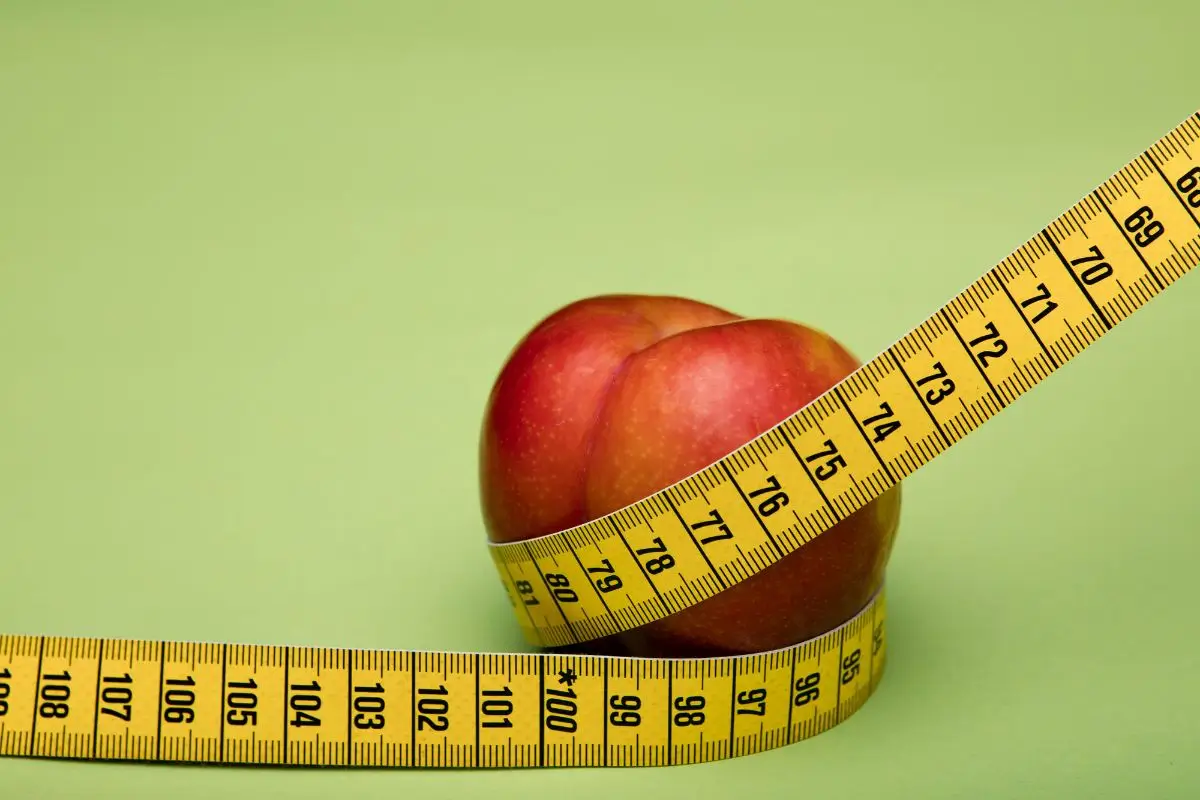
Get rid of belly fat – why it accumulates around the stomach and how you can reduce it
Many people want to get rid of belly fat for aesthetic reasons, but the health benefits of reducing your waist circumference are significantly more important. A waist circumference over 80 cm for women and 94 cm for men increases the risk of both type 2 diabetes and cardiovascular disease. In this article, we explain what belly fat is, why it often accumulates around the stomach, and which changes can reduce waist circumference in a healthy way.

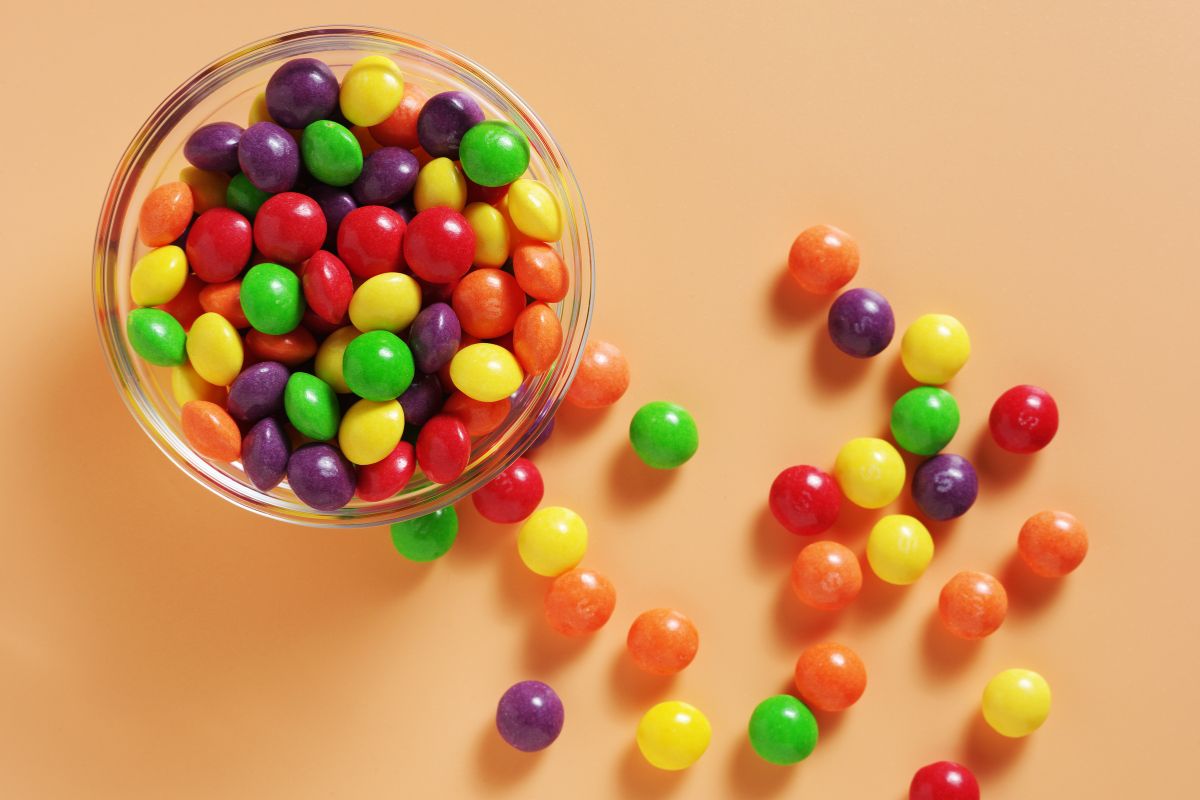
Stop eating candy to lose weight? – how to create a sustainable balance
Do you have to stop eating candy to lose weight? No, but if you eat a lot of sweets, it can be smart to cut down – it often makes weight loss easier. A total ban rarely gives sustainable results. Long-term health is about a balanced whole where nutritious food, satiety, and enjoyment all have their place. Here are tips for reducing sweets and building sustainable habits.

Losing weight during menopause: a guide to lasting results
Many women notice that their body changes during menopause. More fat may gather around the stomach while muscle mass gradually decreases. But what is actually happening in the body, and how does it affect weight? In this article, we look at what research shows and which strategies may help if you want to lose weight during menopause.
.jpg)
How much weight can you lose in a month?
“How much weight can you lose in a month?” is a question many people ask when they want to lose weight. It’s a completely understandable thing to wonder. At the same time, it’s important to remember that weight loss isn’t a race, and quick results don’t always mean long-term success.

Myths and facts about obesity
There are many myths and prejudices surrounding overweight and obesity. They are deeply rooted in society and can create guilt, shame and misunderstanding, despite obesity being a complex medical condition influenced by biology, environment and living conditions. When myths dominate the conversation, they obscure what actually helps. In this article, we address common misconceptions and highlight knowledge that truly makes a difference.
Body mass index (BMI), body measurements and body composition – why Yazen uses multiple measures
Body mass index (BMI) is a commonly used measure of the relationship between weight and height in weight loss and obesity treatment, but it does not provide the full picture of your health. At Yazen, we therefore complement BMI with body measurements and body composition to gain a better understanding of your body and develop more individualised strategies for sustainable weight loss.
Boost your metabolism – how it works and how you can influence it
Every second, your body uses energy. Your brain needs fuel to think, your heart to keep beating, and your lungs to fill with air. Even when you are lying still, your body is constantly working in the background. All of this requires fuel. Metabolism, also known as metabolic rate, is the process by which the body converts food into energy.

Effective fat burning: a guide for those who want to burn fat the right way
Effective fat burning isn’t about extreme methods – it’s about understanding how the body uses energy, how you can increase your expenditure, and how to build habits that last for more than just a few weeks. Many people who want to lose weight think they need to do everything “perfectly”, but in reality it’s about finding long-term, sustainable strategies combined with training, nutrition, and more daily movement.

How to reduce the risk of loose skin after weight loss
Weight loss can bring significant positive changes for both health and wellbeing. At the same time, many people experience loose skin after substantial weight loss, especially if the weight has decreased rapidly or if they have lived with overweight or obesity for a long time.
Loose skin is a natural result of changes in the skin’s elasticity as the body adjusts. By understanding how the skin is affected after weight loss and which factors influence its elasticity, you can give the skin better conditions to tighten and feel firmer again.

