
Navigating weight management with PCOS: how changing your diet can relieve your symptoms


.svg)
For those living with Polycystic ovary syndrome (PCOS), maintaining a healthy weight can be challenging. PCOS disrupts ovarian function, leading to increased testosterone production. Elevated levels of testosterone can stimulate hunger and cravings, particularly for refined carbohydrates, which increases the risk of weight gain.
When managing both excess weight and PCOS, weight loss is the main focus in the treatment, as weight reduction can help restore hormonal balance and alleviate symptoms. Weight loss can also improve reproductive health.
What should I eat?
The recommended diet for managing PCOS when overweight focuses on nutrient-rich foods with lower calorie content to create a calorie deficit. However, it can be a challenge to consume fewer calories when experiencing intense hunger and cravings. Combining GLP-1 medications with a nutritious and filling diet can help address this challenge more effectively.
Choose nutrient-rich food
When consuming fewer calories, prioritising nutrient-dense foods is crucial to ensure your body gets all the essential nutrients it needs to function properly. The Mediterranean diet, which shares similarities with the Nordic Nutrition Recommendations (NNR), is often recommended for managing PCOS and can be beneficial to follow.
Foods to eat more of
- vegetables
- fruits and berries
- legumes
- root vegetables
- fish and seafood
- nuts and seeds
Foods to switch to
- white bread, rice, pasta to whole grain products
- full-fat dairy to low-fat dairy products
- butter and cream to oils and vegetable fats
- red meat, sausage, bacon to fish, chicken and legumes
Foods to eat less of
Foods that are high in calories without providing any nutrition or satiety, such as
- white bread
- cookies
- sweets
- snacks
- sugary drinks
- alcohol
Choose filling food
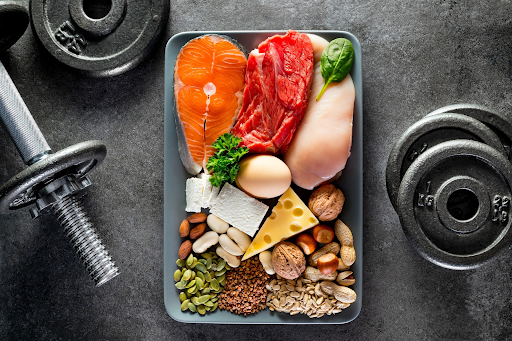
To stay satisfied longer, choose foods that provide lasting satiety. Three important factors for satiety are high water content, fibre, and protein. Examples of filling foods are boiled potatoes, fish and seafood, fruits and berries, oatmeal, quark and cottage cheese, lean meat and chicken, eggs, beans and lentils, vegetables and root vegetables, and whole grain products.
Finding hope on your weight loss journey while managing PCOS
A weight loss journey is often long, and changing habits takes time and patience. Take small steps forward based on your own circumstances, and be kind to yourself along the way. By making conscious choices about your diet and physical activity, you can improve both your health and well-being while living with PCOS.

April 28, 2024
June 26, 2024
Start your weight loss journey with Yazen today
Everything you need to do is to create an account and answer some questions about your health
.svg)
.svg)
More articles


.png)
Smoothies for weight loss. Do they actually work?
The answer is both yes and no. It’s not smoothies themselves that lead to weight loss, no matter how “healthy” they seem. Losing weight always comes down to being in a calorie deficit.
That said, smoothies can still have a place in a balanced diet. They can be a handy option when you’re short on time or don’t feel very hungry, and they’re also an easy way to get more protein, veg, fruit and berries into your day.