Science and publications


Digital Obesity Care Reaches Socioeconomically Diverse Patients
In a real-world cohort of over 40,000 people living with obesity, digital care engaged patients across all socioeconomic groups, including low- and middle-income populations. However, affordability emerged as the primary driver of treatment discontinuation, with economic barriers disproportionately limiting long-term access and continuity of care.
.webp)
Real-World Outcomes of Tirzepatide and Semaglutide in 40,000+ Patients
Sustained Real-World Weight Loss in 40,000+ Patients
Substantial weight loss was achieved with GLP-1–based pharmacotherapy within a comprehensive digital obesity care model. Outcomes were maintained up to 24 months, with 57% of patients still in treatment, demonstrating strong long-term effectiveness in real-world care.

.webp)
High-Volume Patient–Caregiver Interactions in a Fully Digital Obesity Care Model
Digital obesity care enables high levels of patient–caregiver interaction and sustained engagement in treatment, with higher retention than in other settings, potentially supporting longterm outcomes.
Across three years, messages exchanged, weight entries logged and retention in treatment was quantified for more than 50,000 patients.
.webp)

Sustainable Weight Loss and Health Benefits in Obesity Care: 18-Month Real-World-Evaluation Results in a Virtual Care Setting from Yazens First Operational Quality follow-up
This 18-month real-world evaluation data analysis demonstrates that Yazen Health’s fully digital care model, integrating pharmacological treatment and lifestyle intervention can provide effective, sustainable results in a real-world setting.
Patients achieved a weight reduction of 16.6%, accompanied by improvements in metabolic health markers including laboratory values, despite medication supply limitations and without using the maximum recommended dose of semaglutide. 70% remained in the program after 12 months. Weight loss outcomes were comparable to those observed in RCTs such as the STEP trials1-2.
.webp)
High Adherence to GLP-1 Receptor Agonists: 18-Month Outcomes from the Yazen Model
High adherence rates to GLP-1 receptor agonists within a structured, digitally based weight management programme, may contribute to improved long-term medication adherence.
This real-world analysis from Yazens first large scale operational quality follow-up, demonstrates almost 70% compliance with GLP-1 medications at 12 months, surpassing earlier studies that showed 20-50%1-4. After 2 years*, 60% of patients were still in treatment.
.webp)
The Yazen Model - Modern Obesity Treatment Given Via a Digital Care Model. A Descriptive Analysis
The Yazen Model goes beyond traditional methods, providing patients with the tools to manage their disease, addressing medical and behavioural aspects, education and social support via a digital platform for accessible, continuous and effective weight loss and management.

New research: over a third of Brits see obesity as a personal choice
A new survey by Yazen Health uncovers widespread misconceptions about obesity, with over one-third of Brits seeing it as a personal choice rather than a chronic disease. These findings highlight the urgent need for greater public education and medically-guided obesity care.

Rethinking Obesity Care Through a Comprehensive Digital Model
The Yazen model integrates medical treatment, behavioural support, education, and social engagement into one continuous digital care pathway. By combining multidisciplinary expertise with high accessibility and ongoing patient interaction, the model aims to support sustainable obesity treatment and long-term health improvement.
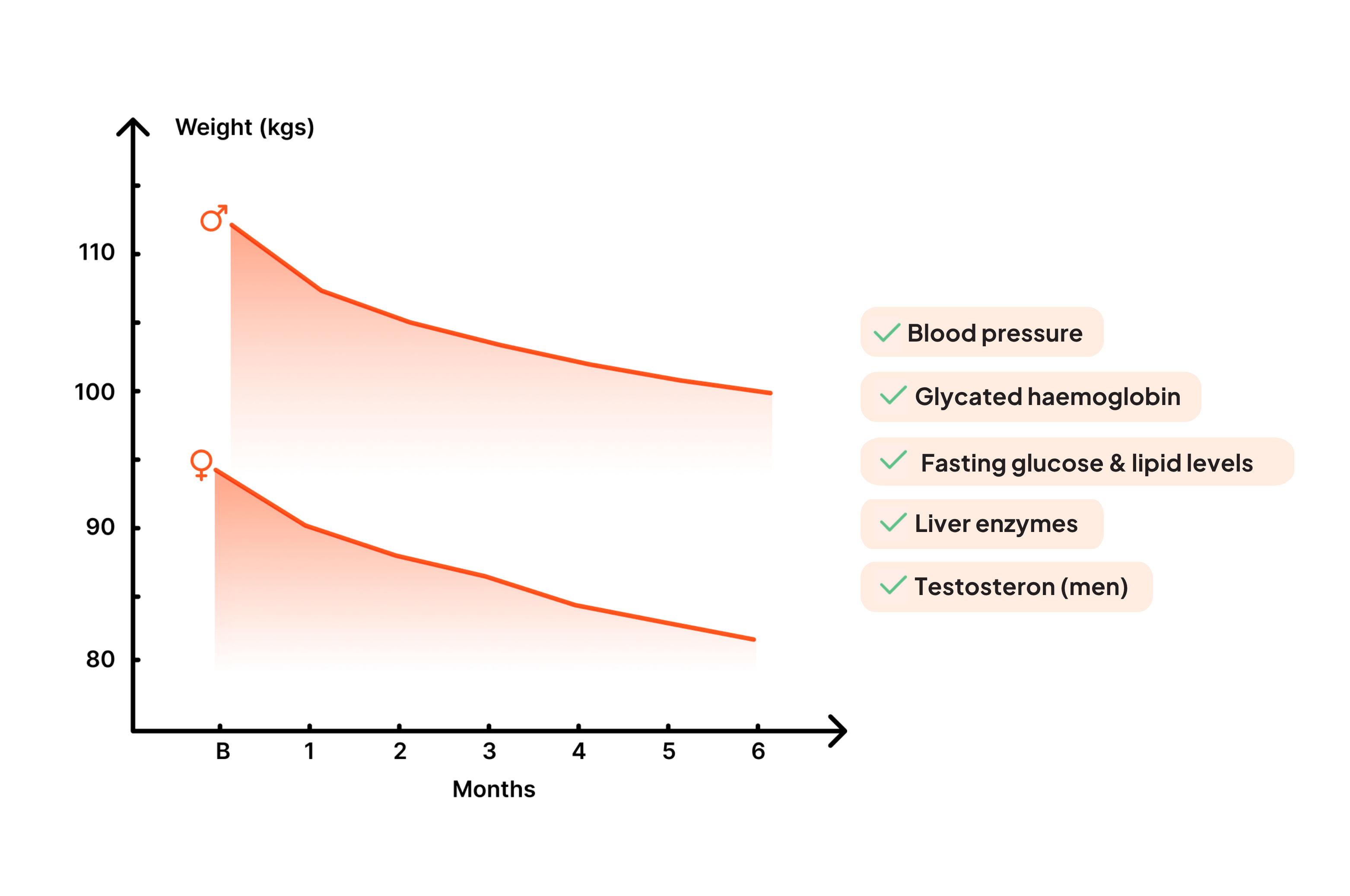
Examining the effectiveness of a new digital care model on weight loss for people living with obesity
This real-world evaluation of more than 2,600 patients in Sweden showed that Yazen’s comprehensive digital obesity care model achieved 12.6% weight loss after 6 months, alongside significant improvements in cardiometabolic health markers. The model combines GLP-1 treatment, lifestyle intervention, and continuous multidisciplinary support through a digital platform designed for long-term obesity care.

